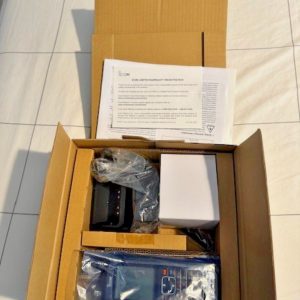
:::writingvariant="document" id="58314" ICOM IC-A25N Handheld NAV/COM Transceiver w/ Bluetooth – Open Box: Portable Aviation Radio The ICOM IC-A25N Handheld NAV/COM Transceiver w/ Bluetooth – Open Box combines user-friendly controls, portable convenience, aviation communication capability, navigation functions, and Bluetooth connectivity. An open-box ICOM transceiver can be attractive to buyers who want dependable features while reducing the cost of purchasing professional aviation equipment. A dependable ICOM IC-A25N Handheld NAV can become an important part of a pilot’s flight bag by providing portable communication capability whenever installed aircraft equipment is unavailable. A capable ICOM IC-A25N Aviation Radio can provide additional confidence during flights, training activities, maintenance events, and ground operations. The ICOM IC-A25N Handheld Radio can be carried conveniently in a flight bag, stored as backup cockpit equipment, used during preflight activities, or assigned to aviation personnel who require portable communication. A Handheld NAV/COM Aviation Transceiver can reduce the need to carry separate portable communication and navigation receivers for certain aviation tasks. Whether a buyer is sourcing a Handheld Aviation Radio, Aviation NAV/COM Radio, Pilot Handheld Radio, or Aircraft Communication Radio, actual operating needs should guide the selection. The unit may also serve as a Portable Aviation Transceiver, Aviation Communication Device, Handheld Aircraft Radio, Aviation Navigation Radio, ICOM Pilot Radio, Emergency Aviation Radio, or Backup Aircraft Radio for appropriate aviation applications.
Exploring the ICOM IC-A25N NAV/COM Platform
The ICOM IC-A25N is designed to provide aviation communication and navigation-related functionality in a portable enclosure suitable for cockpit, ramp, hangar, training, and emergency use. Its practical value comes from combining mobility, recognizable controls, aviation-focused operation, rechargeable power, and multiple communication or navigation functions. Portable equipment should be treated as part of a complete communication plan rather than a guaranteed replacement for every installed avionics function. A backup radio provides greater value when the pilot has already practiced frequency selection, volume adjustment, navigation functions, Bluetooth setup, and battery management.Using the ICOM IC-A25N Handheld NAV
A handheld NAV radio can be valuable to flight instructors who demonstrate aviation communication and navigation concepts during training. Flight schools can use portable radios to support classroom discussions, ramp communication, operational demonstrations, and backup planning. Pilots should verify information using suitable aviation references and avoid relying on one portable device for every navigation decision. The radio should be stored securely so it does not interfere with controls, visibility, passengers, or emergency egress.ICOM IC-A25N Aviation Radio for Pilots
A portable aviation radio provides flexibility to owners, instructors, technicians, and operators who require communication across multiple aviation settings. Flight instructors can use the device as supplemental equipment during ground lessons, aircraft walkarounds, and selected training exercises. The seller should identify any missing accessories, cosmetic marks, opened packaging, previous testing, warranty status, here or differences from a factory-sealed package. Remote buyers may request a video showing startup, menu operation, button response, audio output, charging status, and physical condition.Portable Benefits of the ICOM IC-A25N Handheld Radio
The IC-A25N provides flexibility for aviation users who need one communication device across multiple locations and operational roles. Pilots should protect the radio with a suitable case or organized storage compartment to reduce the risk of impact, moisture, connector damage, or accidental control activation. Pilots can practice with the radio at home or in a classroom while following the applicable manual and operating guidance. Proper storage temperature and periodic charging can help preserve long-term battery and equipment performance.Handheld NAV/COM Aviation Transceiver Applications
The integrated format can reduce the need to carry separate handheld receivers for several common aviation tasks. Commercial value depends on condition, package completeness, included equipment, seller support, and the cost of any missing accessories. Users should keep the operating guide accessible until they can manage essential functions without hesitation. After use, the device should be cleaned gently, charged as appropriate, disconnected from unnecessary accessories, and returned to protected storage.Handheld Aviation Radio for General Aviation
Portable radio access can improve operational flexibility when users move frequently between aircraft and aviation environments. Backup capability may help pilots maintain access to important communication options while managing an abnormal situation appropriately. Accessories such as approved headset connections or suitable external antenna arrangements may influence convenience and performance. Pilots must use aviation frequencies responsibly and comply with applicable licensing, authorization, frequency, and communication requirements.Aviation NAV/COM Radio Applications
The combined platform can be useful during training because students can explore aviation radio functions with one portable device. Menu familiarity, memory organization, display interpretation, audio control, and Bluetooth setup can improve efficient operation. Users should distinguish between convenience features, backup capability, training value, and equipment required for a particular flight. Before departure, pilots should confirm that the radio is charged, correctly configured, securely stored, and easy to reach.Pilot Handheld Radio for Flight Operations
Pilots may carry a handheld radio as part of a broader emergency kit that includes lights, power supplies, charts, tools, and survival equipment appropriate to the flight. Pilots should decide before departure where the radio will be located and how it will be retrieved during an abnormal situation. Emergency equipment is more useful when essential controls can be operated confidently without lengthy manual review. Responsible power management is central to maintaining a dependable Pilot Handheld Radio.Choosing an Aircraft Communication Radio
An aircraft communication device can support maintenance coordination, ground handling, training activities, and operational monitoring where appropriate. Professional communication practices improve the effectiveness of both installed and handheld radios. Understanding environmental limitations helps pilots choose the best practical location and operating method. A cracked housing, loose antenna connection, damaged battery latch, or unreliable control can affect usability even when the radio still powers on.Choosing a Portable Aviation Transceiver
The ability to carry the radio personally helps operators maintain access to familiar controls and stored settings. The owner should keep the package organized so no essential component is missing when the radio is needed. Bluetooth operation should be tested in advance because pairing status, battery condition, compatibility, audio routing, and device settings can influence performance. Careful setup allows portable wireless communication features to improve convenience without creating unnecessary cockpit distraction.Aviation Communication Device Applications
A professional handheld radio may serve private pilots differently from flight schools, maintenance shops, airport staff, or commercial operators. Transparent condition information allows the purchaser to judge whether the price reflects the package accurately. Equipment logs can improve accountability when several instructors, pilots, or technicians share one transceiver. A well-managed Aviation Communication Device can support efficient and dependable operations across many aviation roles.Maintaining a Handheld Aircraft Radio
Flight instructors can carry the radio during aircraft walkarounds, ramp exercises, and selected student-training activities. A handheld unit allows maintenance personnel to confirm communication-related information while aircraft power remains disconnected. The pilot should route headset cables or charging leads carefully and avoid creating loops that can snag controls or occupants. Charging ports and connectors should remain dry and free from debris before accessories are attached.Choosing an Aviation Navigation Radio
The aviation-focused interface is intended to support pilots who need quick access to practical features in a compact format. Pilots should confirm which navigation functions are available, how they operate, and what limitations apply before relying on them. Portable functions are most useful when they complement rather than replace disciplined aviation decision-making. Users should remove outdated memories or clearly organize frequencies to reduce confusion during operation.Using an ICOM Pilot Radio
The radio may also suit instructors, aircraft technicians, flight departments, and airport operations personnel who require portable communication equipment. An open-box unit may have excellent value, but the buyer should verify the package rather than relying solely on the model name. Aviation students may prioritize ease of learning, while experienced pilots may focus on backup capability, portability, and integration. Responsible ownership allows an ICOM Pilot Radio to remain a useful communication and navigation resource for many aviation activities.Maintaining an Emergency Aviation Radio
Emergency value depends on the radio being charged, accessible, configured, and familiar to the pilot before a problem occurs. The pilot should understand how portable-radio range may differ from normal aircraft communication equipment. Pilots should evaluate whether the radio can be heard clearly in the noise environment of their aircraft. Any missing charger, antenna, adapter, cable, or battery concern should be corrected before the radio is relied upon.Backup Aircraft Radio Applications
A Backup Aircraft Radio provides communication redundancy for pilots who want an alternative to the primary panel-mounted transceiver. Pilots should confirm charge status, antenna attachment, audio output, Bluetooth pairing, memory organization, and accessibility. A dedicated flight-bag pocket, protective mount, or secured cockpit storage area may provide suitable access. With thoughtful preparation, a Backup Aircraft Radio can provide valuable confidence without creating unnecessary cockpit complexity.ICOM IC-A25N Open-Box Condition Guide
Connectors and charging contacts should appear clean, straight, secure, and free from corrosion or contamination. The package should be compared with the seller’s inventory to confirm the radio, battery, antenna, charger, adapters, clip, documentation, packaging, and other included accessories. The Bluetooth system should be checked for pairing, audio routing, connection stability, and compatibility with supported equipment. A professional purchasing process protects both parties and supports a fair evaluation of the open-box aviation transceiver.Long-Term Ownership of an ICOM IC-A25N
Preventive care helps preserve the display, controls, battery, housing, antenna connection, charger, and accessories. Inspection frequency may need to increase when the device is shared, carried daily, used outdoors, exposed to maintenance environments, or stored in an aircraft.- Confirm that the device powers on, responds correctly, holds charge, produces clear audio, and remains properly configured.
- Keep the operating guide or a simple quick-reference resource accessible until important functions are fully familiar.
- Store the radio, battery, charger, antenna, adapters, and documentation in a dry, organized, protected location after use.